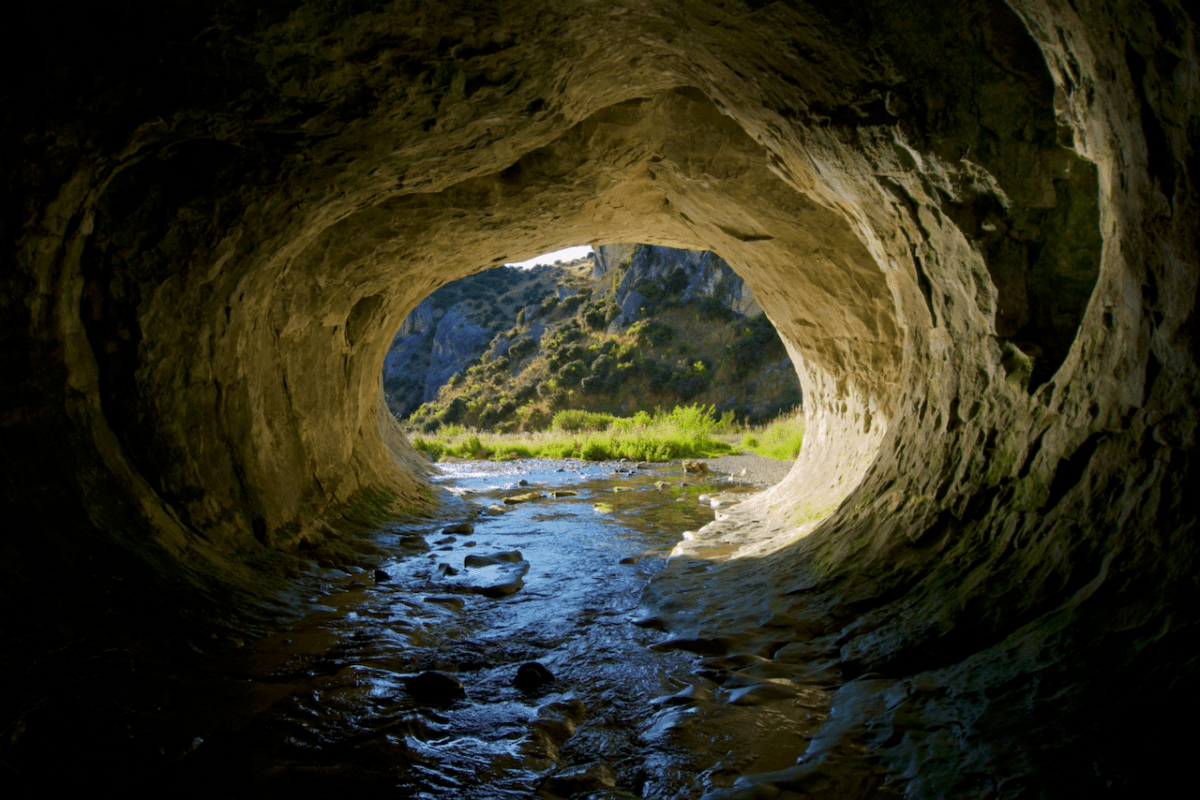
On the morning of March 2, 2020, I stood alone in the dark along the muddy bank of a stream within Waipu Cave in New Zealand. I was inside the cave’s “Galaxy Chamber,” and I sat down mesmerized by the glow of thousands of fungus gnat larvae dangling from the ceiling.
My solitude did not last long – a group of Kiwi pensioners soon shuffled into the Galaxy Chamber. The larvae (aka glow-worms) disappeared as soon as the light of the Kiwi’s torches bathed over the ceiling.
One of the pensioners approached and struck up a conversation. She must have been curious about my caving gear (a helmet, a pair of zebra lights, and knee pads) or the fact that I was sitting comfortably in the stream beside my camera and tripod.
The pensioner told me she was with a group visiting from the nearby town of Whangarei. Whangarei was a harbor town that would be my base of operations for the next several days. She pronounced the “Wh” in the usual English manner. However, a Kiwi friend in Honolulu, Seini (she tells people it rhymes with insane-y), had assured me that Whangarei was pronounced as “fang-er-eye.” This was due to a quirk in the Māori alphabet as devised by the early Christian missionaries to New Zealand.
The Māori language has been making a comeback in New Zealand with Aotearoa (the Māori name for New Zealand) and kia ora (hello) featured in most travel and tourism campaigns. Much like Hawaiian (a closely related Polynesian language) is featured in travel campaigns and many official state documents for Hawaii.
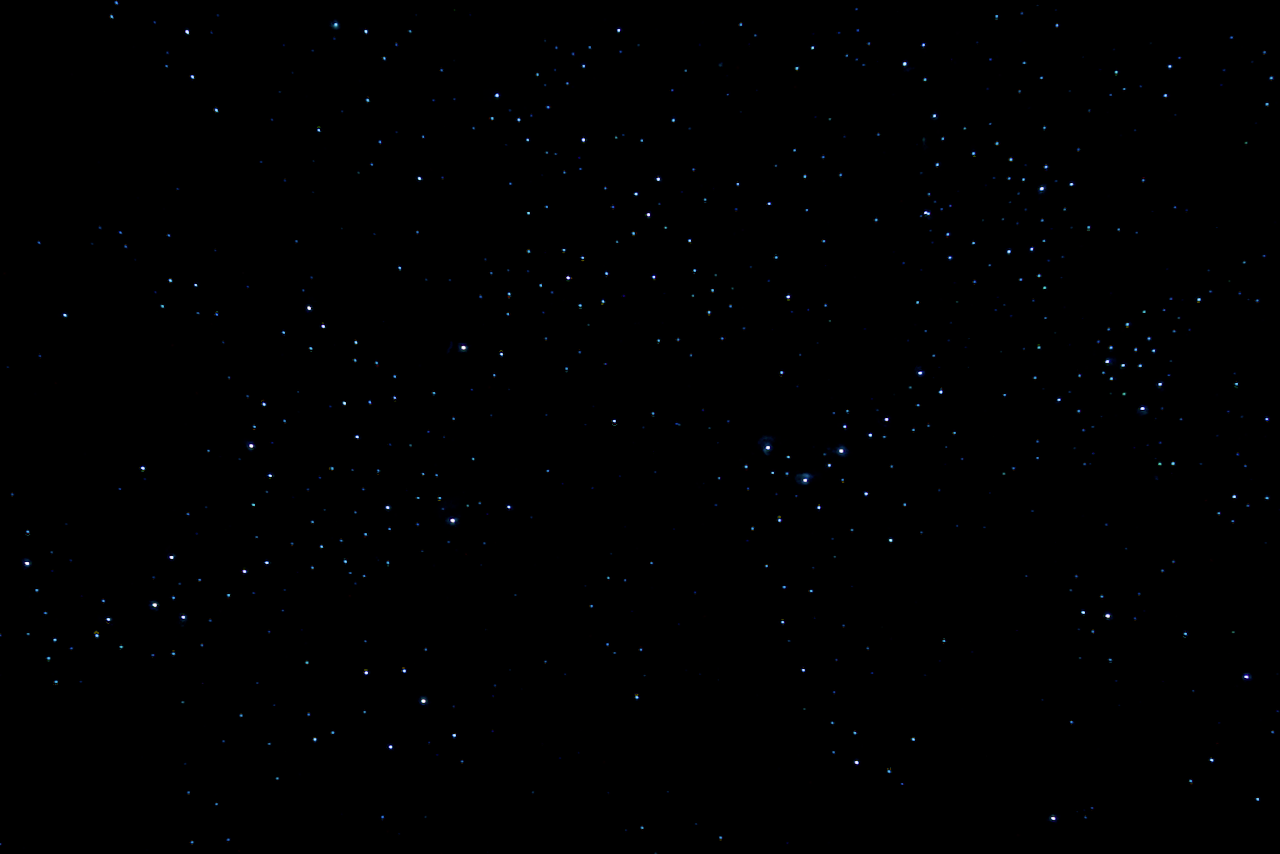
The “Galaxy Chamber” in Waipu Cave
Most caves in New Zealand are inhabited by the glow-worms – some caves just happen to be populated in a spectacular fashion.
Though Waipu Cave is wild, it is well known to locals and tourists. Very well known. In fact, the cave is a featured location on Atlas Obscura, and there are helpful NZ Ministry of Transport signposts pointing toward the cave from several kilometers away. The car park had a dozen vehicles, as well as a handful of people queued up for the dunny (pit toilets), and two Australian magpies scavenging for discarded food when I arrived at 11:00 am on Monday.
Waipu Cave is not a place most TAG cavers would want to visit on any given weekend during the height of tourist season. Despite the ease of access and crowds, Waipu Cave is unspoiled by graffiti and trash. This turned out to be a shared trait of all of the caves and cave preserves I visited in New Zealand.
Though officially 150 meters in length, there are several hundred meters of passage to explore in Waipu Cave. Most visitors never venture beyond the Galaxy Chamber, though a pair of spelunking honeymooners joined me in pushing beyond the casual visitor area. The honeymooners stopped following me once I began crawling over a debris pile (including a massive tree trunk) and into a room with a ceiling formed by wedged breakdown and deathrocks. I have a real distaste for this sort of cave feature and turned around. The couple seemed to be relieved when I scampered back into view.
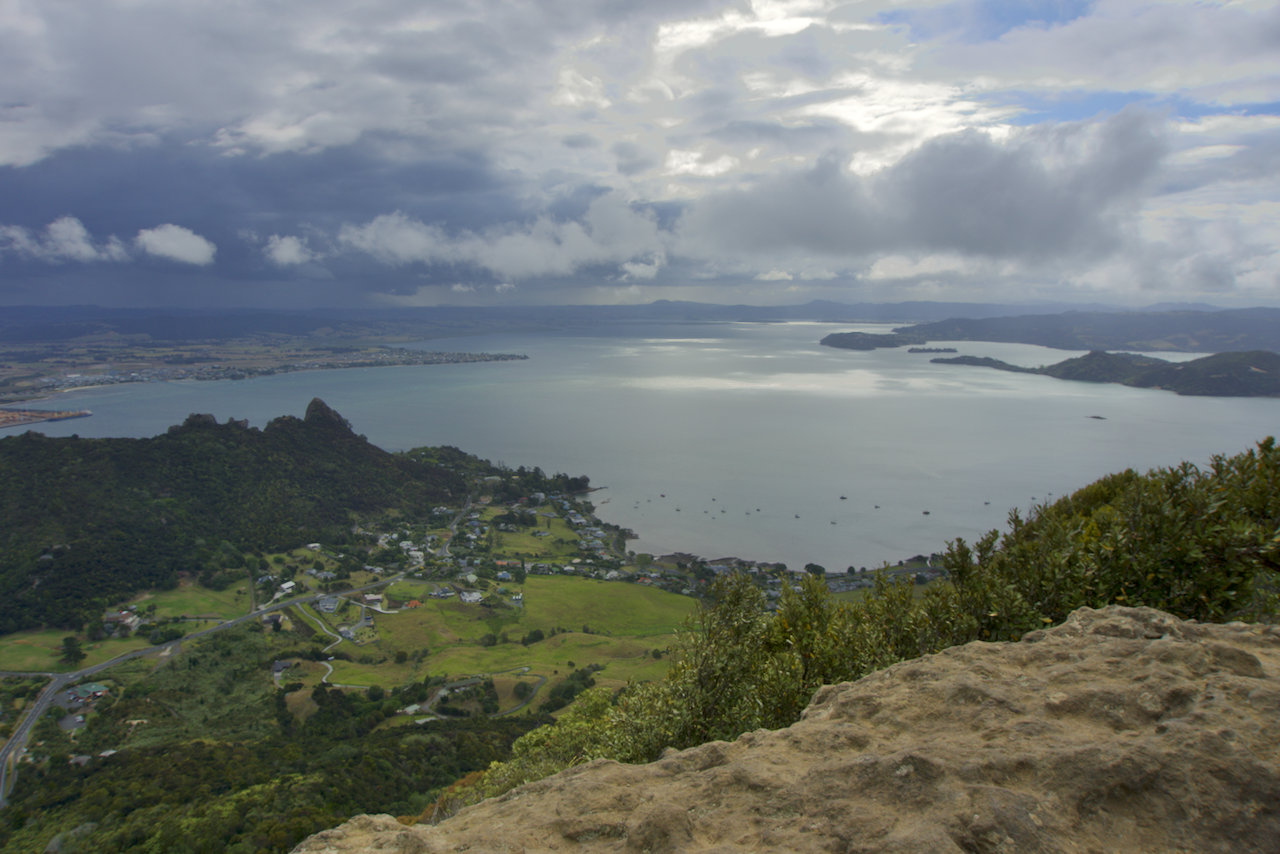
View from Whangarei Heads of Whangarei Bay
The following day I visited the Abby Cave Preserve. The preserve was a fifteen-minute left-handed drive from my AirBnB at Whangarei Heads. (As an aside, driving a left-handed vehicle is not difficult until you reach for the turn signal or attempt to turn the windshield wipers.) I pulled alongside an NZ Department of Conservation sign for the preserve at 7:30 am.
The cave preserve doubled as a livestock farm, and there were several small cow pastures to cross before reaching the first cave. My only company that morning was a herd of cattle.
The first cave I entered was Organ Cave, which has a small breakdown entrance. Once inside the cave and standing in a flowing stream, I was immediately startled by a 1.5-meter long freshwater eel – most likely a longfin eel. “Startled” is a nice word for this encounter – let’s just say I had no idea there were eels in Kiwi caves.
Longfin eels are an endemic species to New Zealand and in decline (though not endangered). They get much bigger than the one that brushed against my leg. According to my research (Wikipedia), the longfin eel’s life cycle ends with a migration to their spawning grounds near Tonga – over 2000 kilometers from New Zealand. The leading theory is that the longfin eel’s larvae float back to New Zealand’s estuaries on ocean currents and then make their way back inland.
Organ Cave is reminiscent of Cedar Grove River Cave in Blount County, Alabama – a shallow stream cave with a strolling passage that occasionally opens to large chambers. There were a few dozen glow-worms inside, but nothing comparable to Waipu Cave. I made quick work of the cave and turned around where the cave sumped upstream.
There was a murmur of giggles once I neared the entrance. When I stepped into daylight, a small group of young backpackers posed for selfies while readying themselves to enter the cave. The giggling intensified once they saw me emerge from the cave in full gear.
One girl was wearing a bikini while the others wore combinations of sweatshirts, cotton t-shirts, and shorts. They asked me to pose with them for a few photos since I was fully outfitted for TAG style cave exploration. My suspicion is that most of the visitors to this cave preserve are dressed like these youngsters.
After scrambling back up to the trail, I made my way downstream and found the climbdown entrance into Middle Cave. As soon as I stepped into the stream, a colossal longfin eel undulated toward a dark recess where the stream undercut the limestone.
The eel encounter turned out to be the highlight of Middle Cave. It was a large room with breakdown piles on either end and not dark enough (at least during daylight) to see any glow-worms. This cave also made it clear that the caves of Abbey Cave Preserve were a single system with several collapsed sections. Since I was solo caving in a foreign country, I decided against pressing beyond the undercuts and the tight water crawl visible downstream. At this point, I had my fill of caving for the day. Several waterfalls were still waiting to be explored a few minutes down the road.
Whangarei was my base of operations for the first part of my New Zealand trip because I read about a significant population of glow-worms in the Abbey Cave Preserve. Also, several waterfalls and well-reviewed hiking trails (i.e., “this trail is difficult”) were nearby. My research seems to have been incorrect about the glow-worm population (perhaps I should not have skipped out on entering Ivy Cave), but I fell in love with New Zealand’s Northland and Whangarei.
Show caves (or commercial caves) are typically something I am interested in visiting whenever there are unbridled options available. There are plenty of show caves in New Zealand that advertise glow-worms. My glow-worm experience in the Northland would have been disappointing if a friend had not pointed out Waipu Cave as a phenomenal (and wild) caving option.
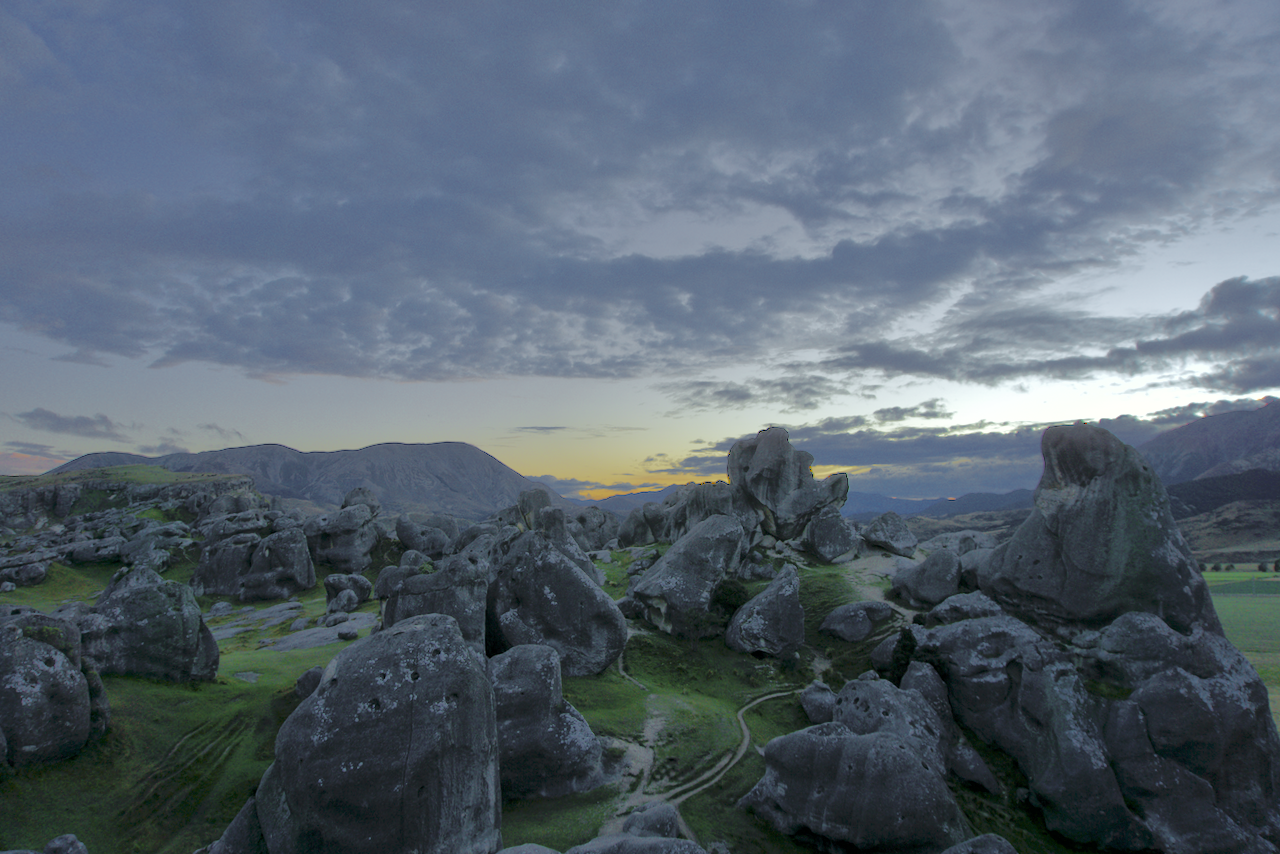
Kura Tawhiti (also known as Castle Hill)
Although I spent several days in Queenstown and Fiordlands National Park on the South Island, the lands west of Christchurch genuinely impressed the caver and adventurer within me.
Please do not get me wrong – Queenstown is beautiful. But it is a definite tourist town where families queue up for hours to eat the “World’s Best Hamburger” or pose for selfies at luxury ski resorts. Fiordlands National Park had been hit by torrential downpours a few weeks before my arrival. Landslides had closed the Routeburn Track, where I had reserved backcountry campsites. Also, the park’s road was closed about 20 kilometers out from Milford Sound. So now I will have to go back for a proper trek on the South Island.
I only had one full day to explore Christchurch and was solo once again. Seini and Hawaii Grotto members Jason and Chrissy Richards had all recommended a visit to Broken River Cave near Arthur Pass National Park. My itinerary for the day was planned with the cave as the central element.
One of the central tenets of the NSS’s Basic Safety Information is NEVER Cave Alone: “This is dangerous, foolhardy and is a sure recipe for disaster. The smallest size group recommended is four people. With this number, if someone is hurt, one person can stay and comfort the injured while the other two can get help.”
There are times when this tenet is ignored by semi-competent – though still foolhardy – cavers such as myself. Solo caving in a foreign country is a risk I am willing to take as a single male with no children. This is something I have put some thought into over the years.
I recently discussed growing old as an adventurous and single individual with a hiking friend. We had both agreed that our risk tolerance would increase in the coming years if our familial statuses remained the same.
Who wants to die in a nursing home with no living kin? I would much rather die while doing something that I love. However, I have no desire to become disabled and require round the clock medical care, either. Nor do I want to put any rescuers in harm’s way.
All of the caves I had planned to visit solo were listed on a detailed itinerary filed with my work’s travel office. My mom also had copies. If I had disappeared in New Zealand, the U.S. embassy would have had a good idea of where to send a body recovery team.
Arthur Pass township was a two-hour drive from Christchurch and was the day’s intended turnaround point. My first stop was to watch the sunrise from the boulder garden at Kura Tawhiti, also known as Castle Hill. Once the sun rose, I found myself in a landscape reminiscent of Guadalupe Mountains National Park. Except there was exposed karst everywhere. The hilltop of boulders and spires at Kura Tawhiti is sacred to the Ngai Tahu tribe of Māori, and there are several burial sites in the area. Including one at Broken River Cave, just a few kilometers down the road toward Arthur Pass.
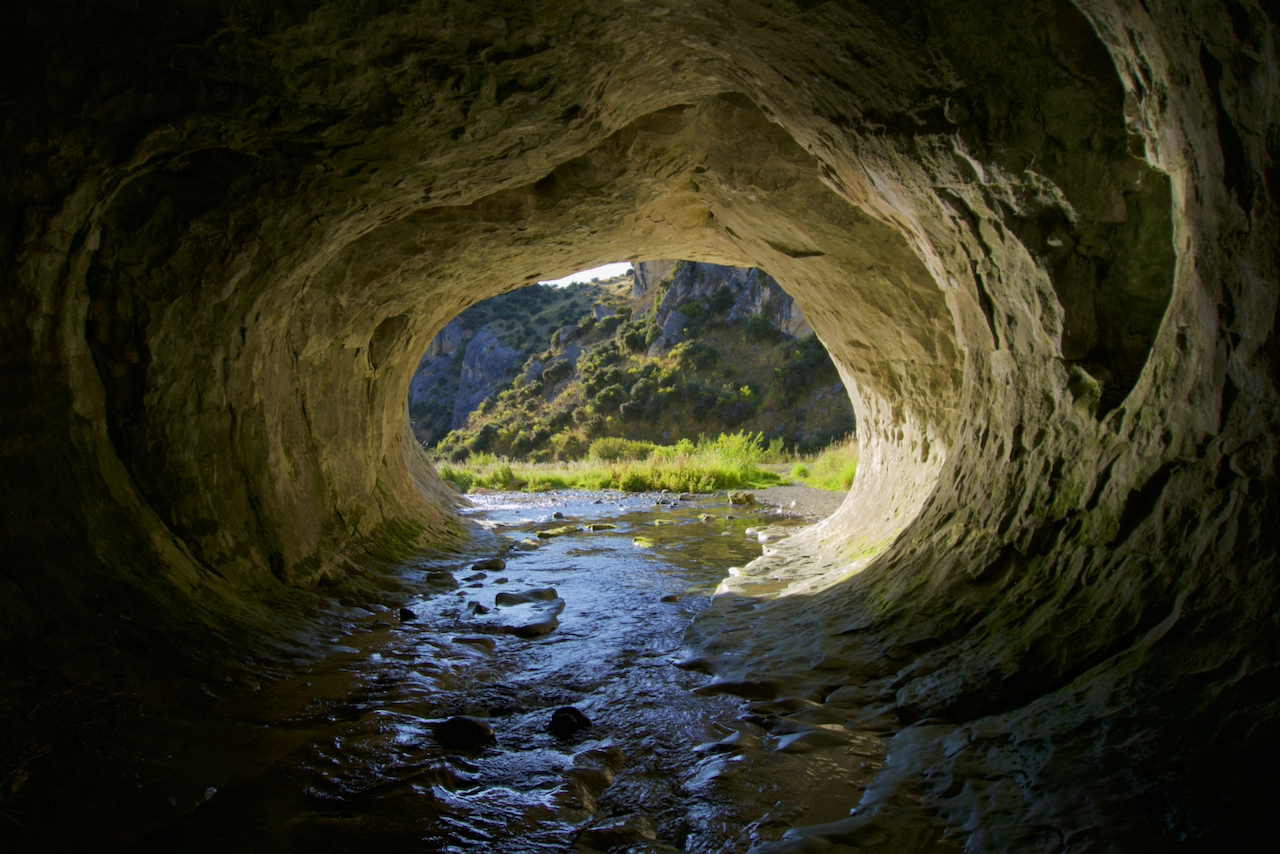
The downstream entrance to Broken River Cave.
Broken River Cave has its own NZ Department of Conservation “scenic reserve” and is officially called the Cave Stream Scenic Reserve. It was complete with a car park, interpretive signs (about caving safely), and a trail leading to both entrances. The site was yet another accessible cave in New Zealand without litter or graffiti. However, I suspect that Broken River Cave is a “sacrificial cave” intended to keep people from exploring other nearby caves where human remains are still interred.
I geared up in the parking lot with the air temperature around 11° Celsius (53° Fahrenheit – a crisp temperature for a resident of Hawaii) and then made the short hike to the lower cave entrance. Broken River Cave was beautiful: golden-hued limestone with some white water flow and a dozen or so small waterfalls to climb.
The stream had a good flow that morning and was well under the recommended “do not proceed further” threshold of chest-deep water at the first bend. I cannot recall any significant formations or speleothems but must admit that I entered a hypnotic state once I found myself out of the twilight zone and waist-deep in the cave’s stream.
I have only experienced two types of (what I call) hypnotic states when caving. One is the hyper-focus concerned with staying safe in precarious moments. The other is a hyper-focus encased by the thrill of moving through stream passages with white water underground.
You may call this “the flow state” or “being in the zone.” Whatever you call it, this state of being hyper-focused and totally in the moment is one of the many things I love about exploring caves.
The thru-trip was supposed to take around 45 minutes to complete, but I shot through the cave in less than twenty minutes. It felt like five.
There is a bypass with rungs and a chain at the final waterfall climb in the cave – and I never even saw them. After I chimneyed up the chute of a booming 3-meter tall fall, I found myself staring at daylight and realized I was already through the cave.
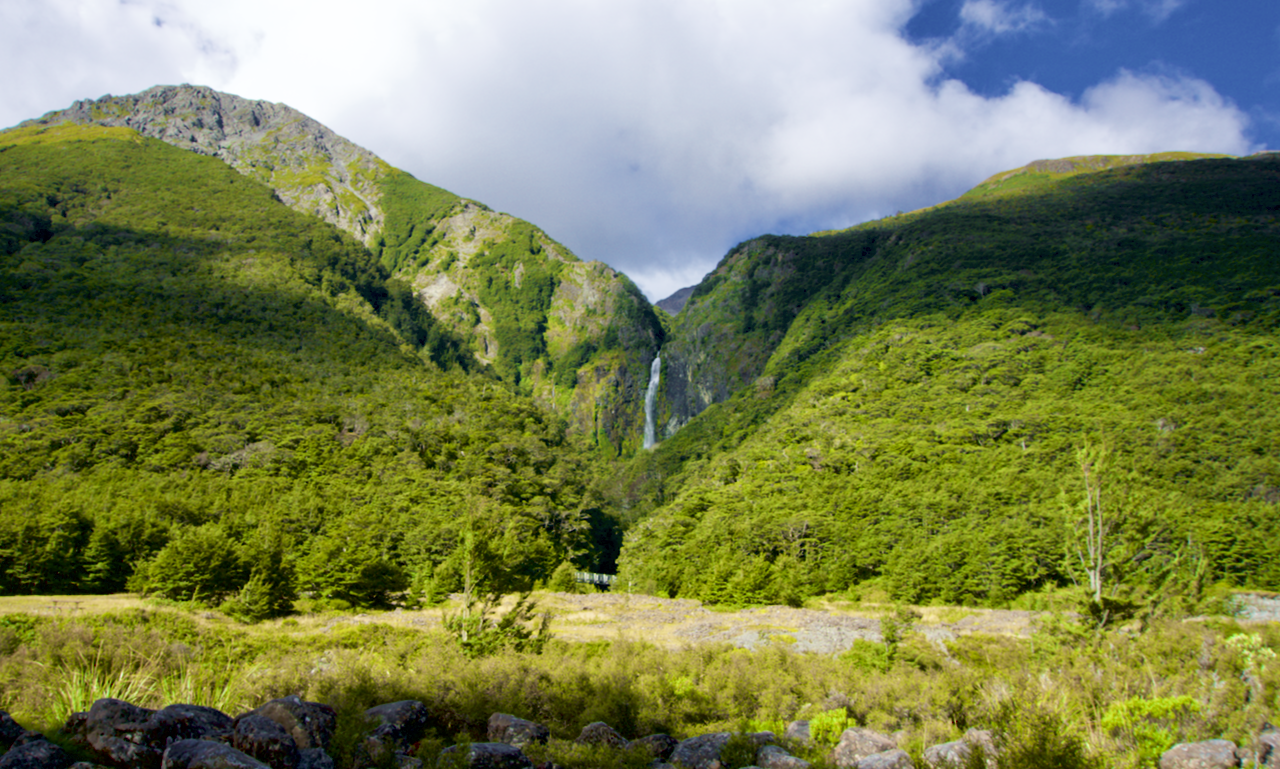
Devil’s Punchbowl in Arthurs Pass National Park
Unaccustomed to the chill, I shivered and dripped my way back to my rental car. I dried off and changed clothes in the car park and then continued driving on to the township of Arthur Pass. The road was suddenly surrounded by New Zealand’s Southern Alps. There were gravel bars and glacial melt rivers with single-lane bridges. Ice capped peaks were stained by the smoke of the Australian firestorms. Later on, I made a semi-reckless summit attempt on Mount Bealey and took a leisurely stroll to a raging waterfall known as the Devil’s Punchbowl. It was a day. I drove further west and waterfalls appeared all around.
And then it was night.
On the night of March 10, 2020, I stood alone on the side of a dark mountain highway mesmerized by the stars. A passing timber lorry broke the spell and I embarked on the long drive back to Christchurch.
 b.crawfordsmith