I have been to Sài Gòn (officially called Ho Chi Minh City) four times as of this writing and have tried a lot of dishes. The food in Vietnam is simply outstanding. Sài Gòn has nearly 10 million people and one out of every ten inhabitants makes a living in the food industry.
There are two keys to exploring Sài Gòn and having a culinary adventure: 1) Download the Grab app (Southeast Asia’s version of Uber) and plug in your international purchase-ready credit card. Vietnamese cash can be confusing at first so use your card where you can! 2) Be willing to try unusual-looking food from a food cart. Shrimp paste grilled on a stick of sugarcane? You can find it and it is delicious. Shrimp salt sprinkled on Malay mountain apples? You can buy that by the kilo – it is far better than you would imagine (though I cannot recommend shrimp salt on bananas).
Bò Né
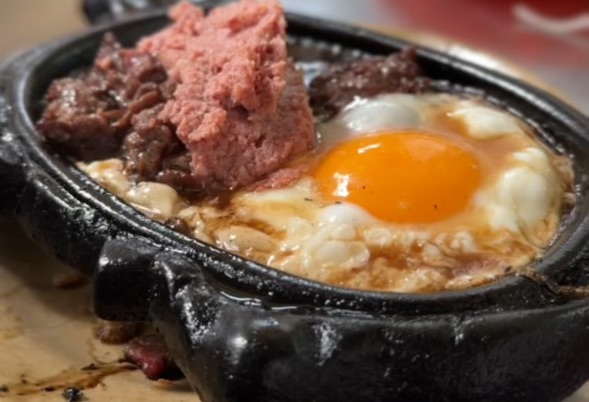
20/6-7 Nguyễn Trường Tộ, Phường 12, Quận 4, Thành phố Hồ Chí Minh, Vietnam
Hands down the best local breakfast in Sài Gòn. Bò Né translates as “dodging beef.” You will understand this definition as soon as you arrive at this restaurant. The kitchen is in the street and is an attraction all by itself: open flames and red hot cast iron juggled by the cooks. Go early because this place is popular among local families. Shredded beefsteak, eggs, and paté are included in the specialty combo that I prefer and this savory dish is eaten by scooping it up with a flaky, Vietnamese baguette. The meal is even better than the fire show.
On my last visit, the menu was still only in Vietnamese so have your translation app ready.
Bánh Xèo
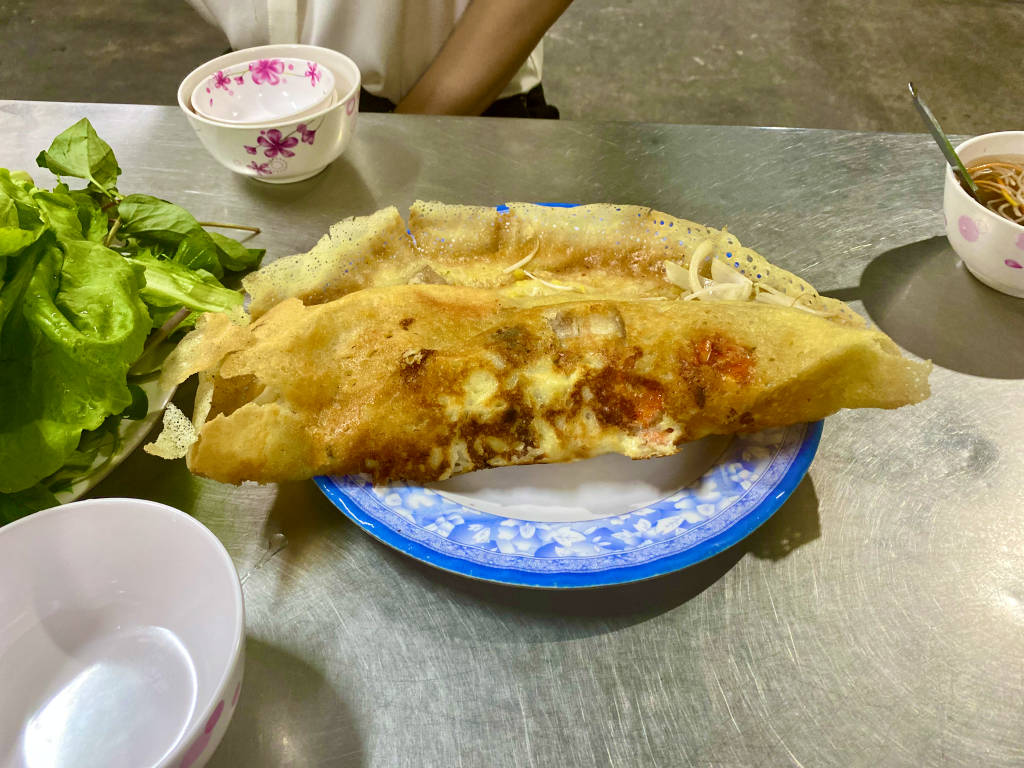
46 Đinh Công Tráng, Phường Tân Định, Quận 1, Thành phố Hồ Chí Minh, Vietnam
Bánh xèo translates as sizzling pancakes and this is a savory dish inspired by French crepes. Bánh Xèo 46A is a restaurant made famous in the Western world by Anthony Bourdain though it is incredibly popular among Saigonese families, renowned Vietnamese entertainers, as well as tourists from the U.S., Korea, and Japan can all be found sharing the long stainless steel tables. The shrimp and mung bean sprout stuffed crepes are eaten by wrapping bite-size pieces with aromatic jungle herbs (mint, shiso leaf, banana flower, Viet basil) and dipping into nước mam cham (a sweet and sour dip worthy of a separate post).
One bánh xèo is enormous and can generally be shared by two people. The menu is available in several languages and I must say it is a culinary and cultural experience that should not be missed!
Bún Chả Ha Noi
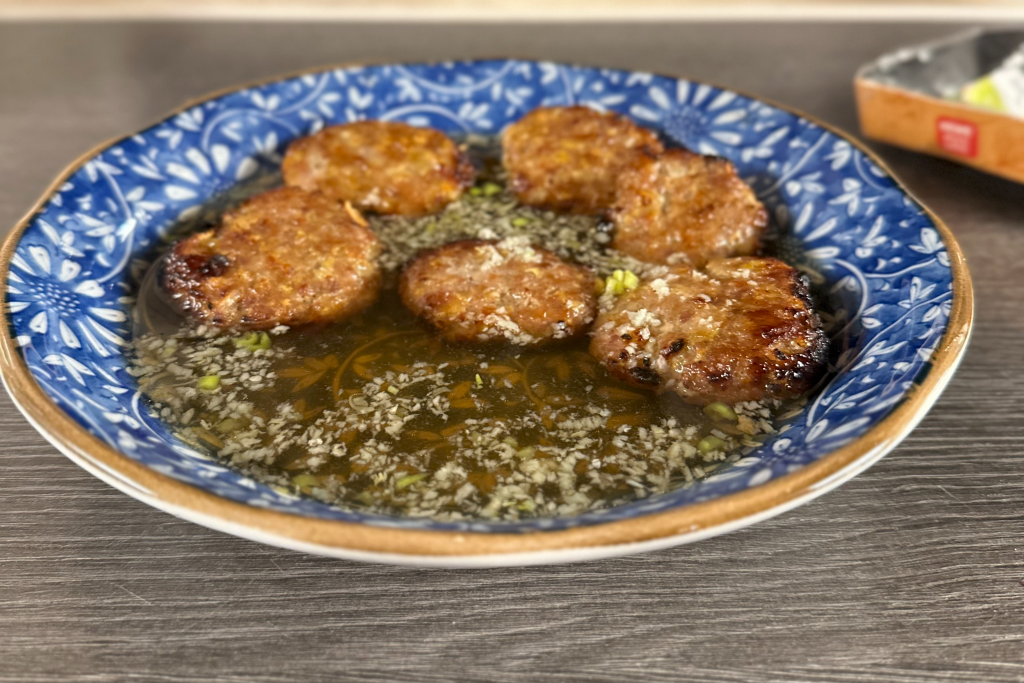
22C Đ. Trần Khắc Chân, Phường Tân Định, Quận 1, Thành phố Hồ Chí Minh, Vietnam
Bun Cha Hanoi is usually advertised as ‘Obama Noodle’ because President Obama famously sat down for a bún chả meal and a beer with Anthony Bourdain in a Hanoi restaurant in 2016. There are many bun cha restaurants in Sài Gòn – this one caught my eye with an “Obama Noodle” sign out front on my first day of exploring the city. I cannot adequately describe in words how blown away I was by the complex and savory flavor of the broth in this bowl of noodles and grilled pork meatballs. Almost any place selling bún chả and doing brisk business is going to impress you. This is my absolute favorite Vietnamese dish (so far) and I am so glad that I wandered into this restaurant based on the “Obama Noodle” advertisement!
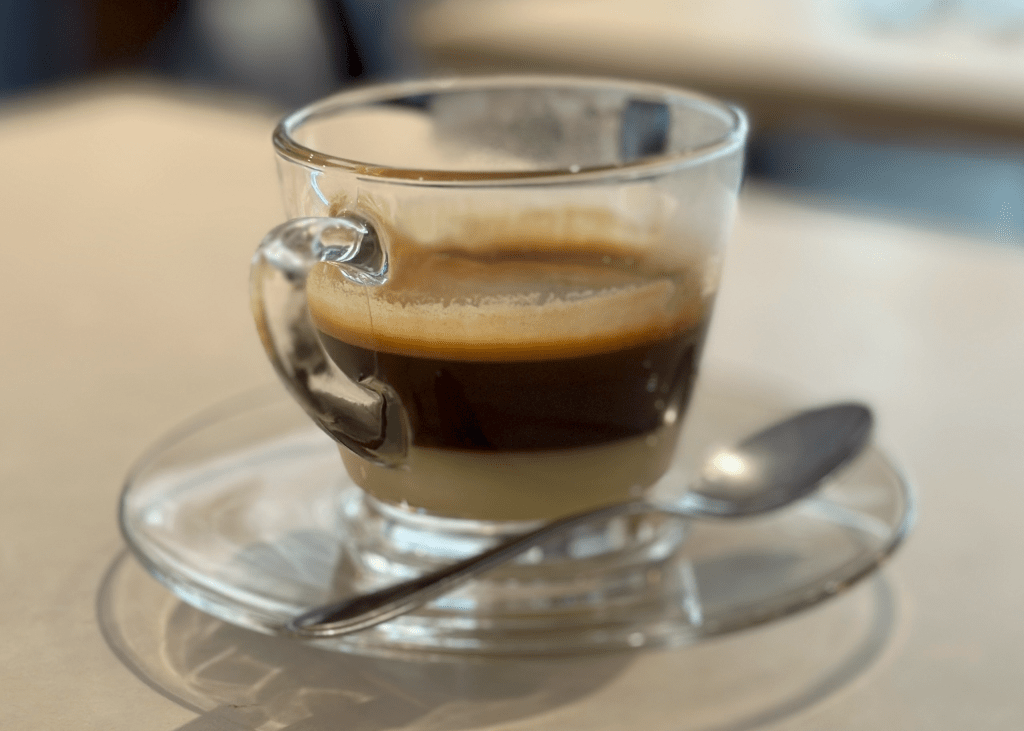
Cà Phê Sữa
7 Nguyễn Văn Chiêm, Bến Nghé, Quận 1, Thành phố Hồ Chí Minh, Vietnam
Vietnamese coffee is intense. It is usually served sweet and strong on ice (which is more refreshing in such a hot climate). Robusta beans are the norm in Vietnam and they have twice the caffeine as arabica varieties favored in most Western countries. The standard coffee style to try is cà phê sữa (coffee with sweetened, condensed milk). Cà phê đá (iced) or cà phê nong (hot).
Vietnamese baristas usually serve the hot coffee in an individually brewed glass at your table with a pour-over filter device known as a phin. They will also give you a small spoon to stir up the sữa (condensed milk) coating the bottom of the glass. There is also cà phê trứng (egg coffee) which is topped with a whipped egg and sugar mixture and cà phê muối (salted coffee) which is topped with a salted and whipped cream mixture.
Trung Nguyen is one of the biggest coffee brands in Vietnam (you can find their ground beans throughout the U.S. and Europe in Asian markets). The brand’s chain of Legend Cafes are everywhere and the location linked above has a room with sand floors. The Legend Cafes advertise their coffee as “life-changing.” It is great coffee and I would describe the location linked above as elegant and busy with a young professional lunch crowd.
For egg coffee – check out Little Ha Noi Cafe which can be found deep within a hidden alley (hem) not too far from the Bến Thành Market.
Nước Mía

Photo by Vinh Thang on Unsplash
You can find a sugarcane juice cart on every other street corner in Sài Gòn. Juice (nước) is pressed from a small bundle of sugar cane (mía) and served on ice. Very refreshing and not overly sweet. Almost always served with a lime pressed through the rollers though I have also encountered carts that also squeezed strawberries (dâu tây) and – in one instance – durian (sầu riêng) – into the juice. The strawberries were fantastic and the durian was not terrible, but the standard cane and lime juice on ice is what you are more likely to encounter.
A few more thoughts…
Other favorite dishes in Sài Gòn include Bún Bò Huế , Hủ Tiếu Bò, and of course Phở. Perhaps the best culinary tip I can give you about food in Vietnam is this: just because you are eating noodles in broth, it does not mean you are eating phở .
Foodborne illness is always a concern when traveling – so I have always relied on purchasing food from carts and restaurants doing brisk business (i.e. the food is not sitting for very long).
Heads up that almost all of the ice served in Sài Gòn is sold by ice companies using potable water that is safe for the digestive systems of Westerners. I have been to Sài Gòn four times and have had minor issues. Iced coffee and sugarcane juice should not cause any atypical distress unless you are deep within the Mekong Delta and/or far away from commercial supply lines.
If you are reluctant to eat street food or feel uncomfortable outside the main tourist zones – you can always visit Ben Nghe Street Food Market for a more tourist-friendly experience. The prices are more than you would pay outside of the tourist zones, but this Instagram-worthy market presents the opportunity to sample a variety of specialty dishes in a food hall setting.
One final note: if you use the wet napkins packaged at a table in a restaurant – there will be an additional fee added to your bill (about 10k dong per pack – or a little less than 50 U.S. cents).






 b.crawfordsmith